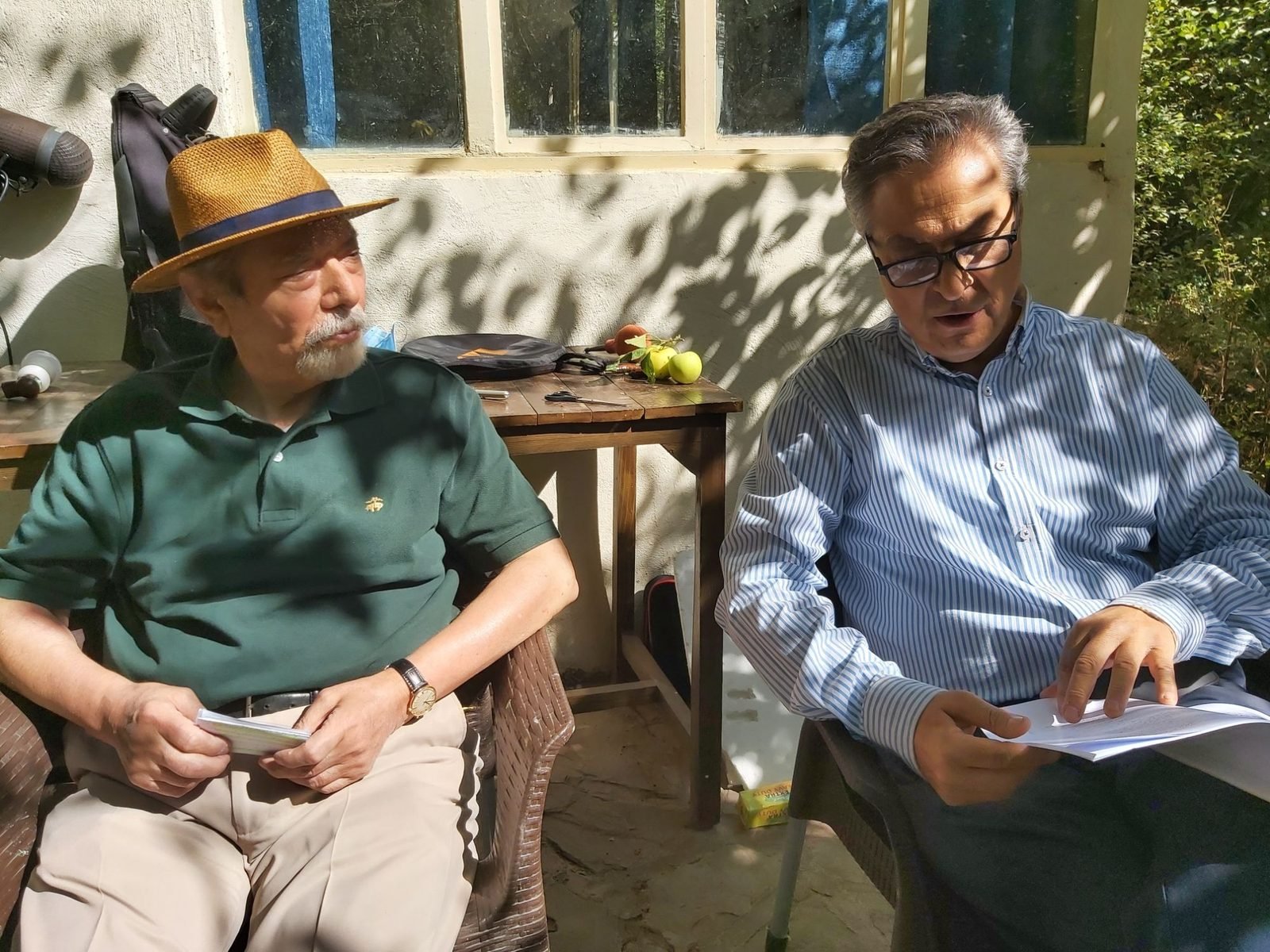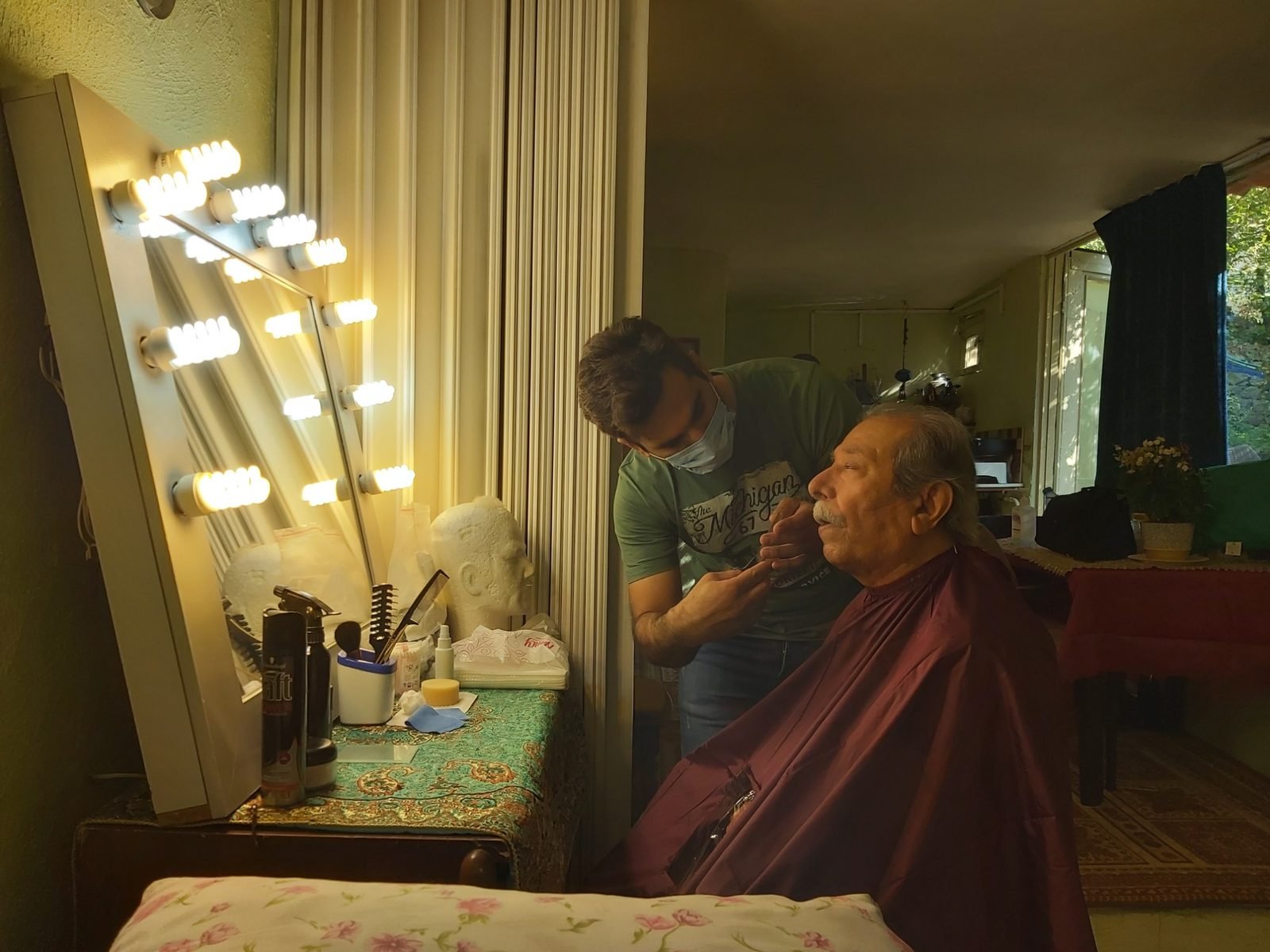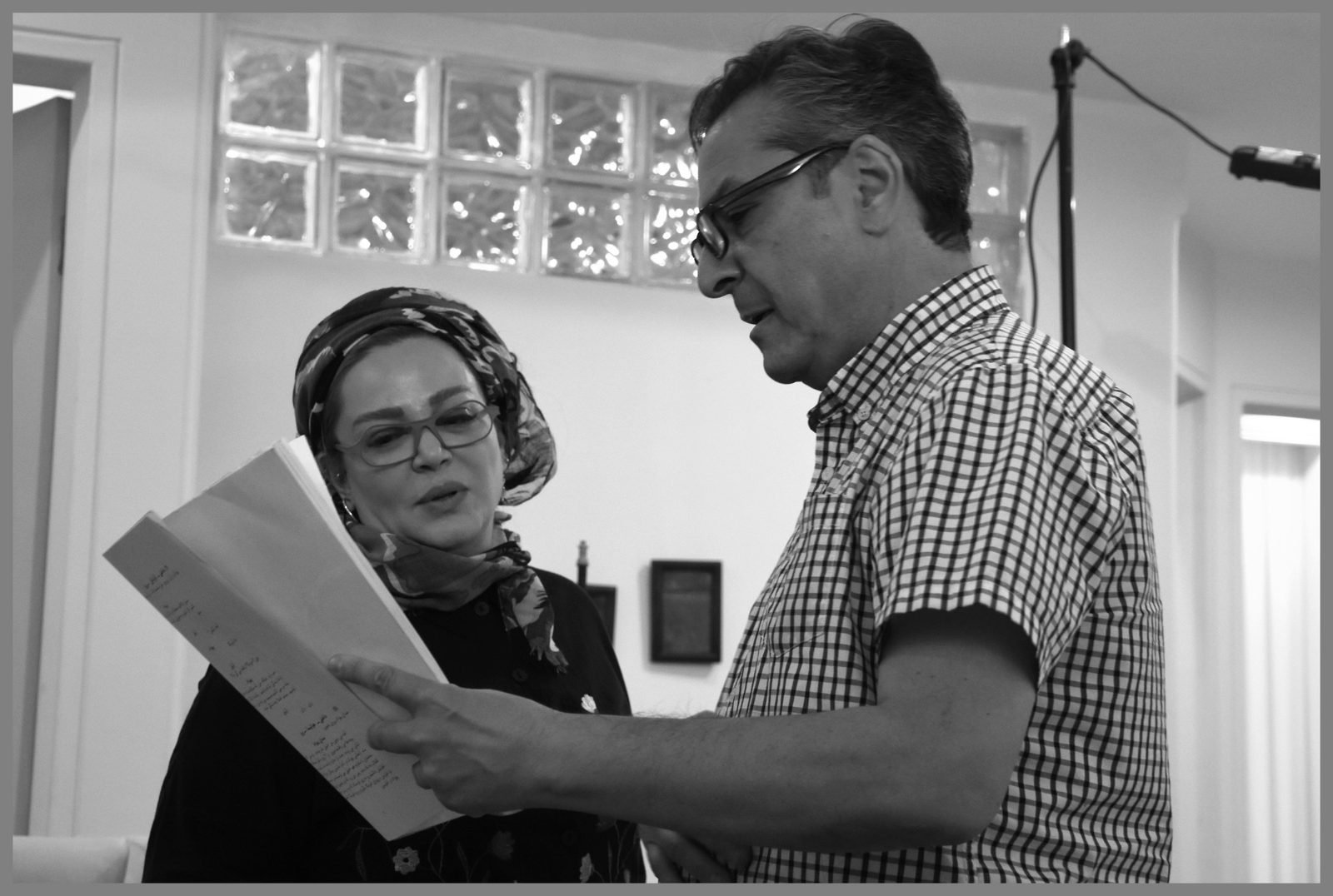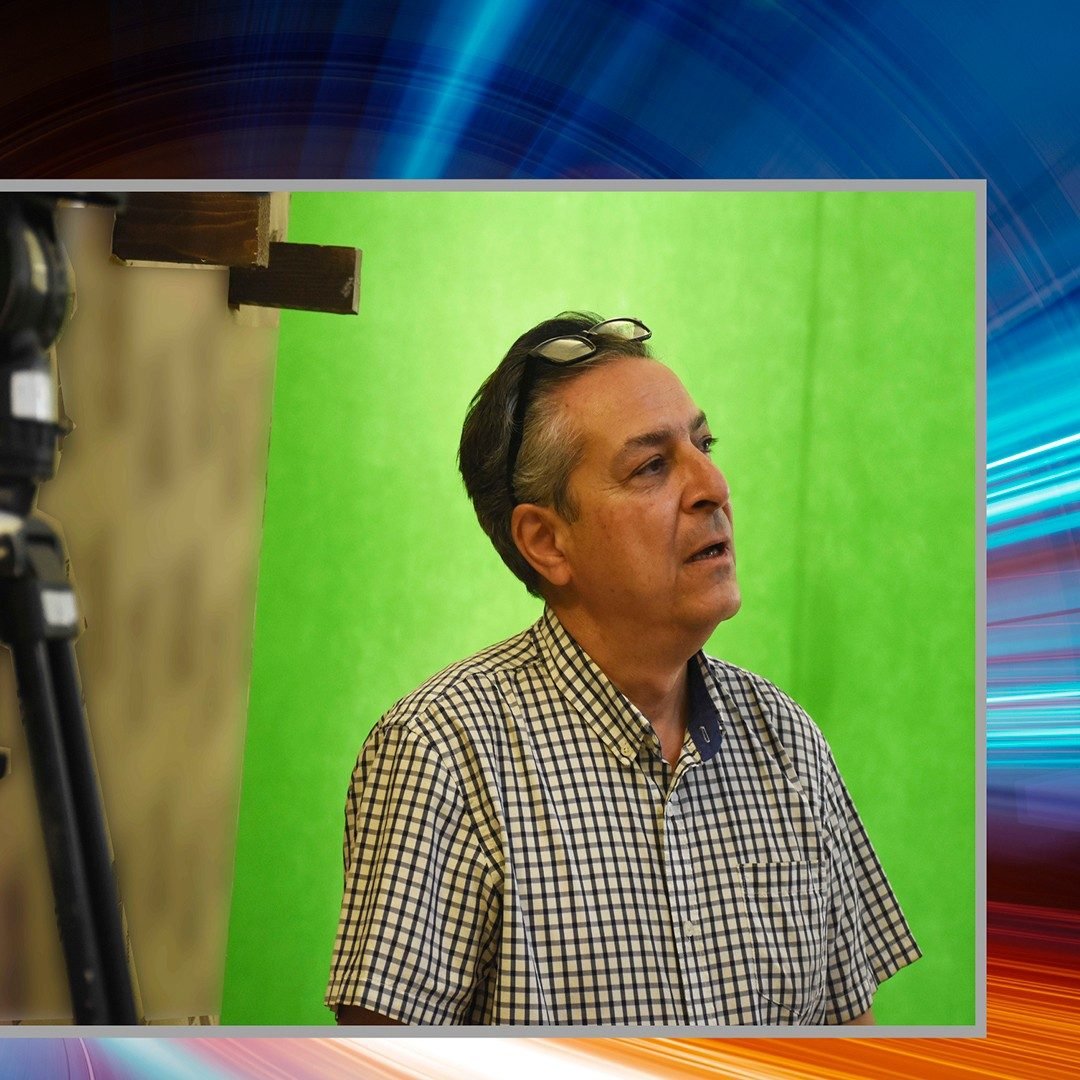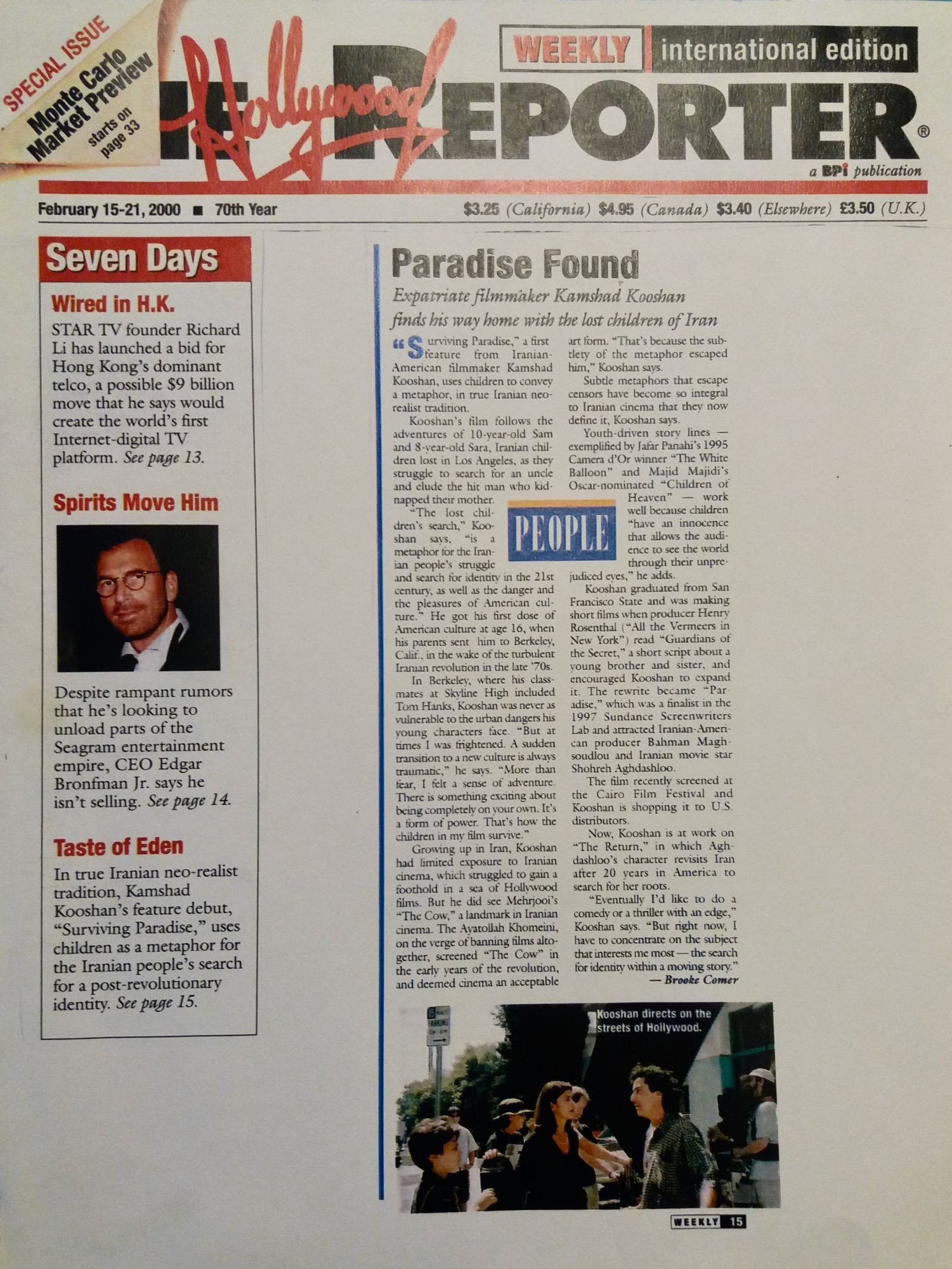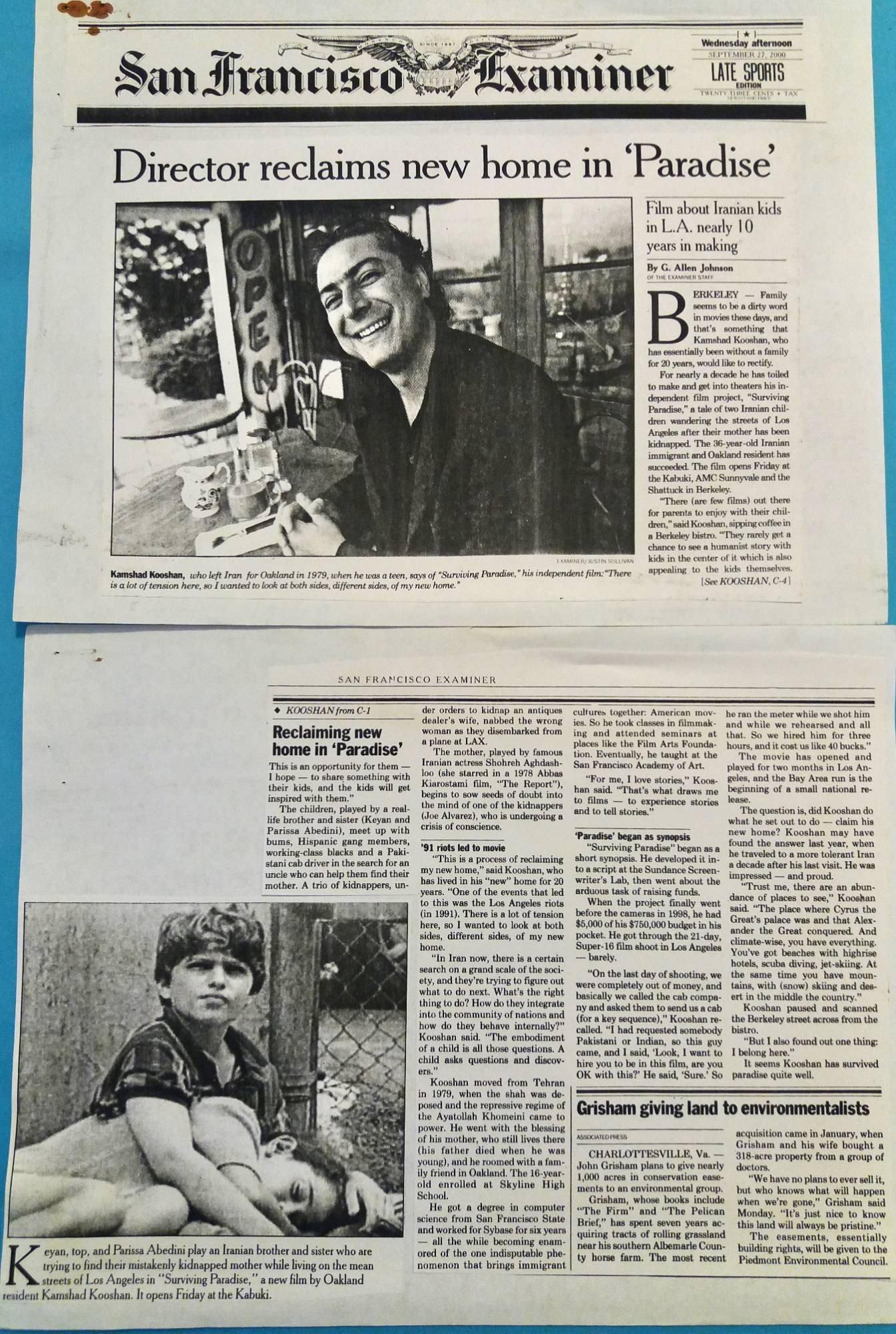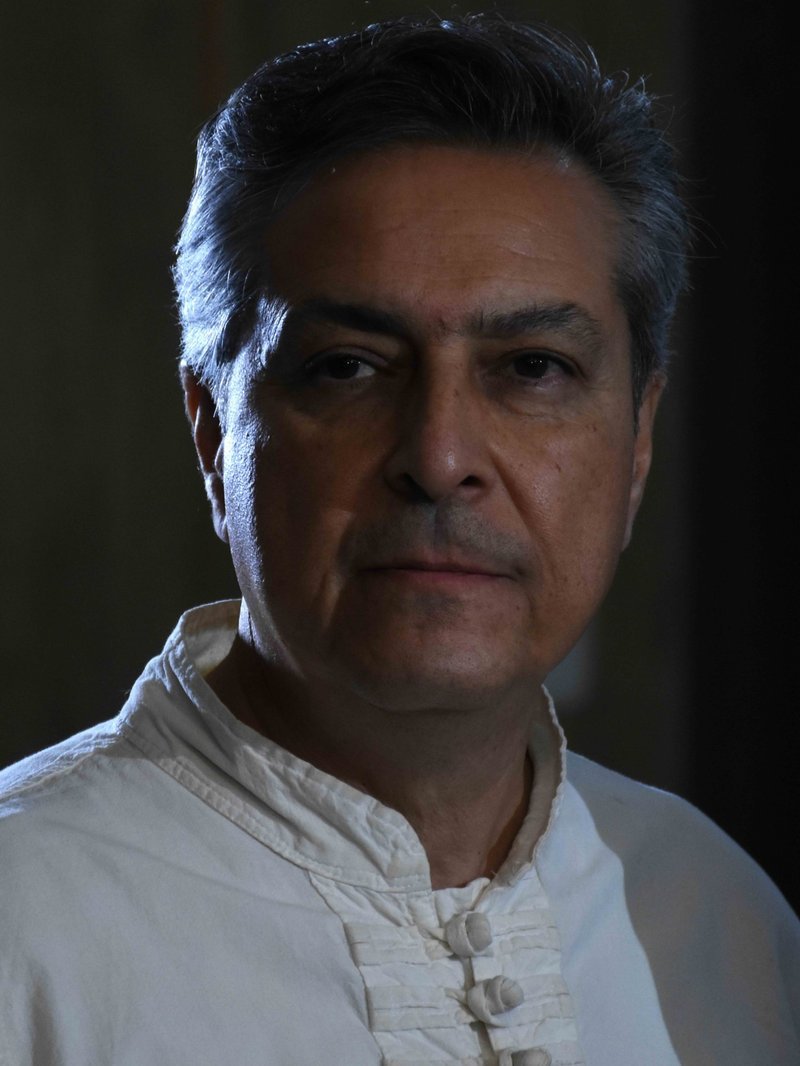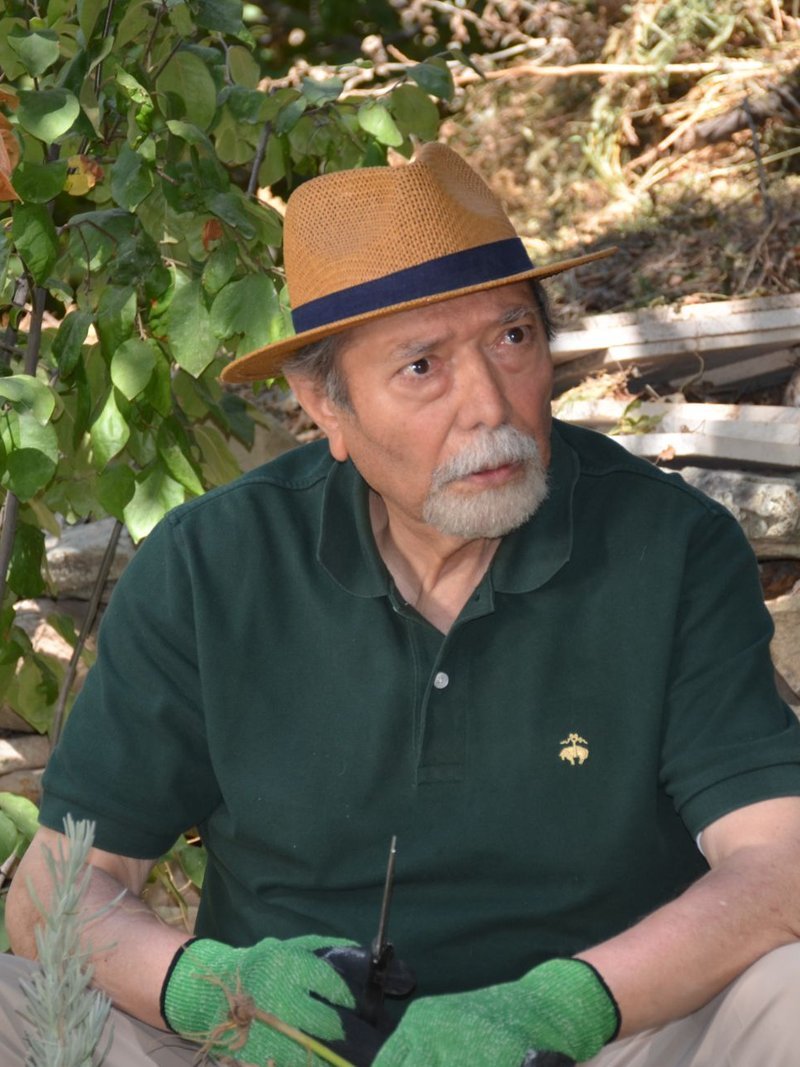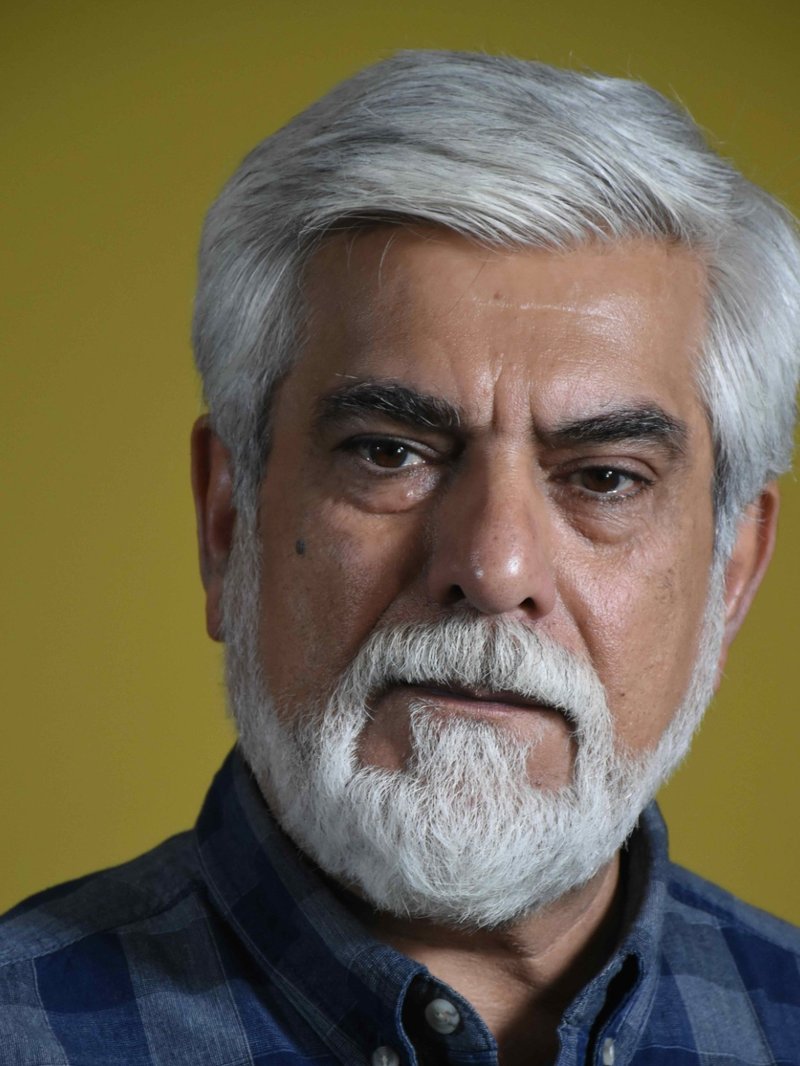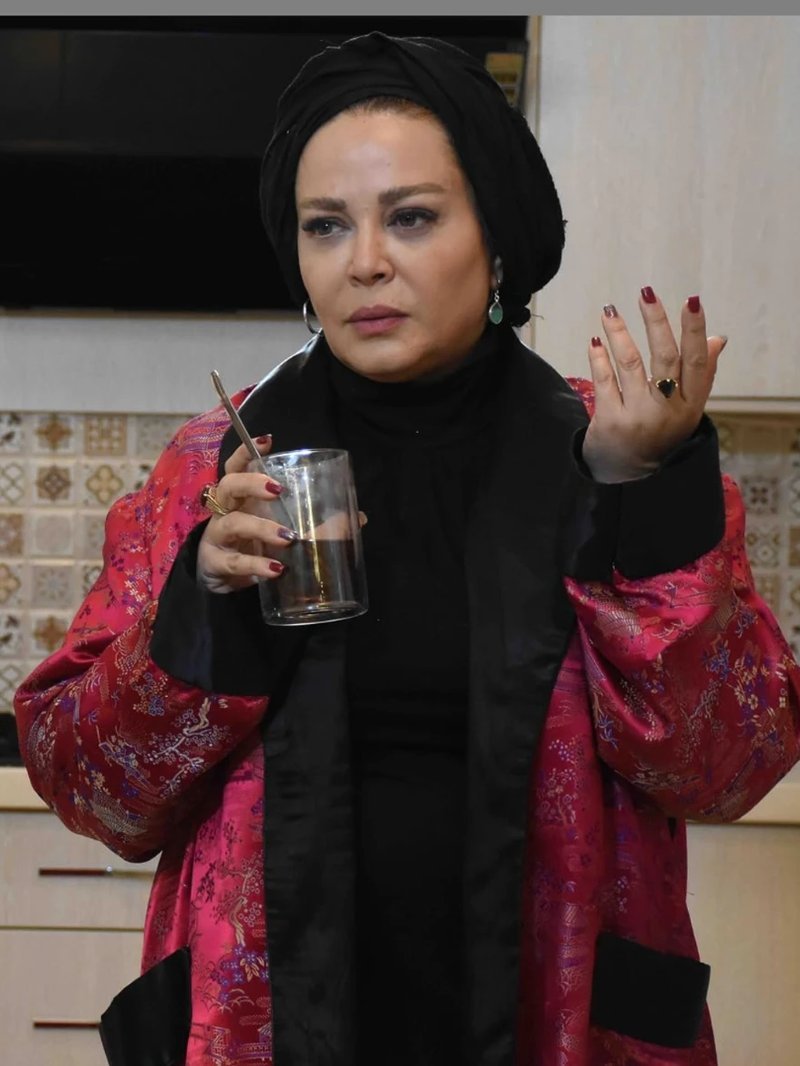
Kamshad Kooshan is an Iranian-American writer, director, producer, and actor whose work explores the intersection of personal identity, social realities, and the psychological impact of repression and displacement. After beginning his filmmaking career in the United States, he returned to Iran in 2001 to continue creating films despite increasingly restrictive cultural conditions and censorship.
Over the years, several of his projects faced significant obstacles within Iran's regulatory environment. Nevertheless, he continued to pursue stories that examine the complexities of human relationships within broader social and political contexts.
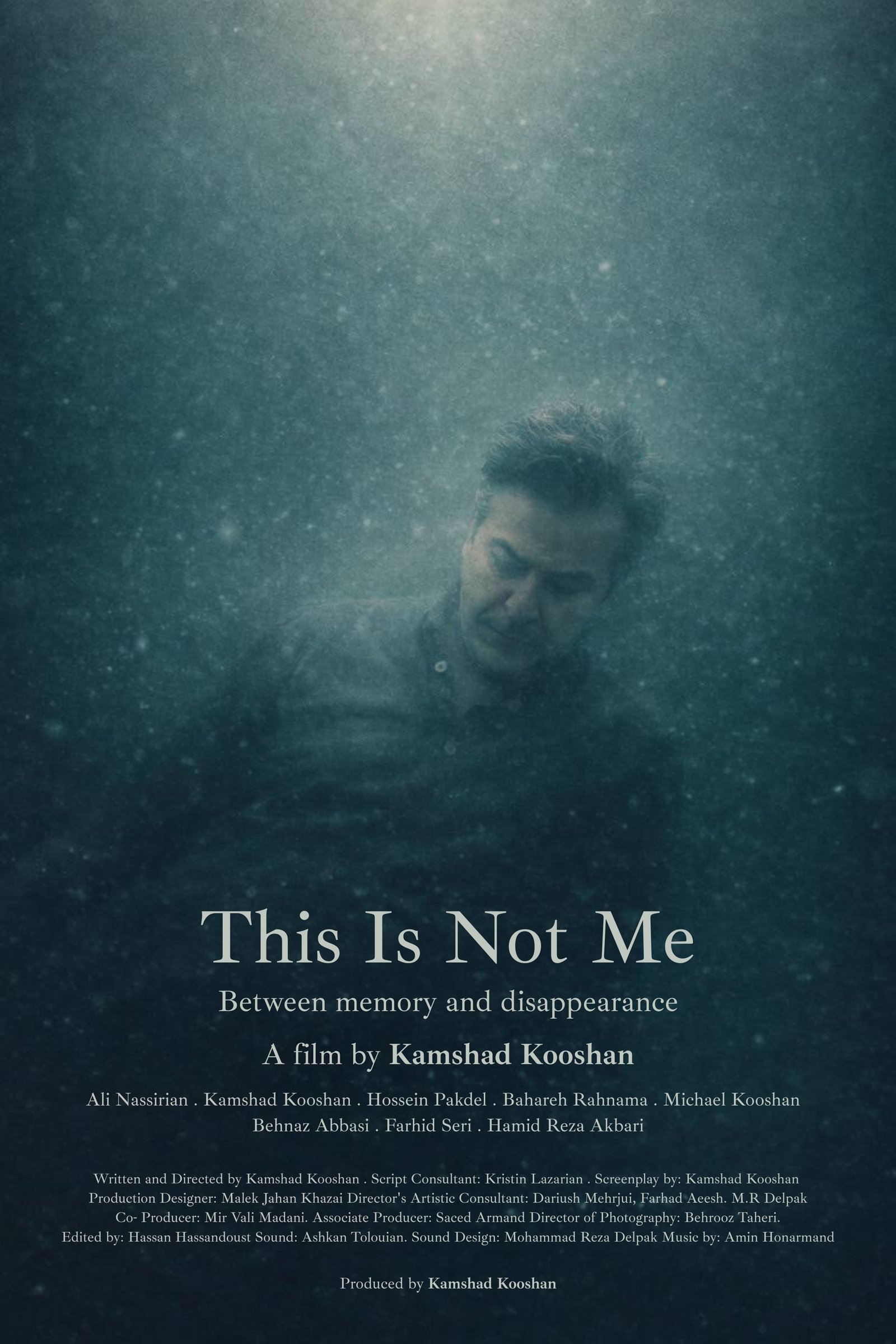
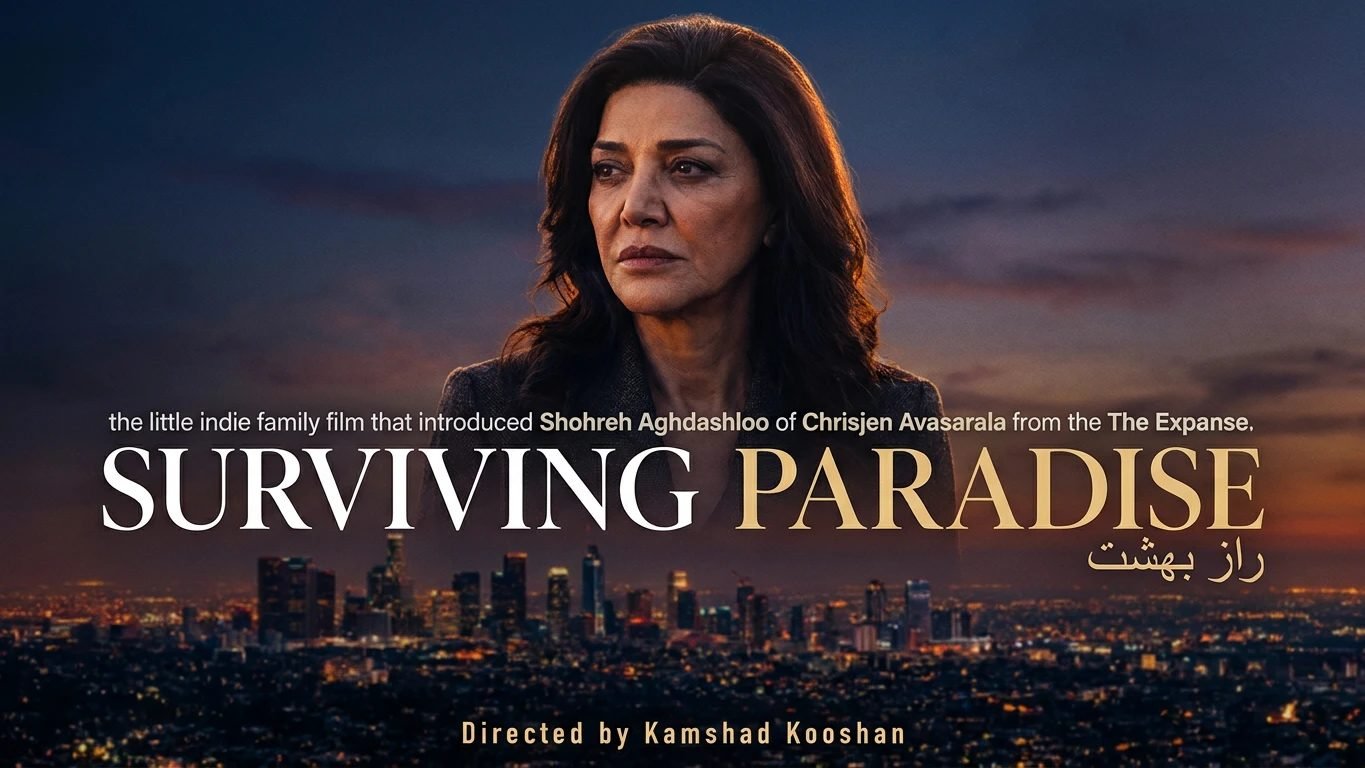
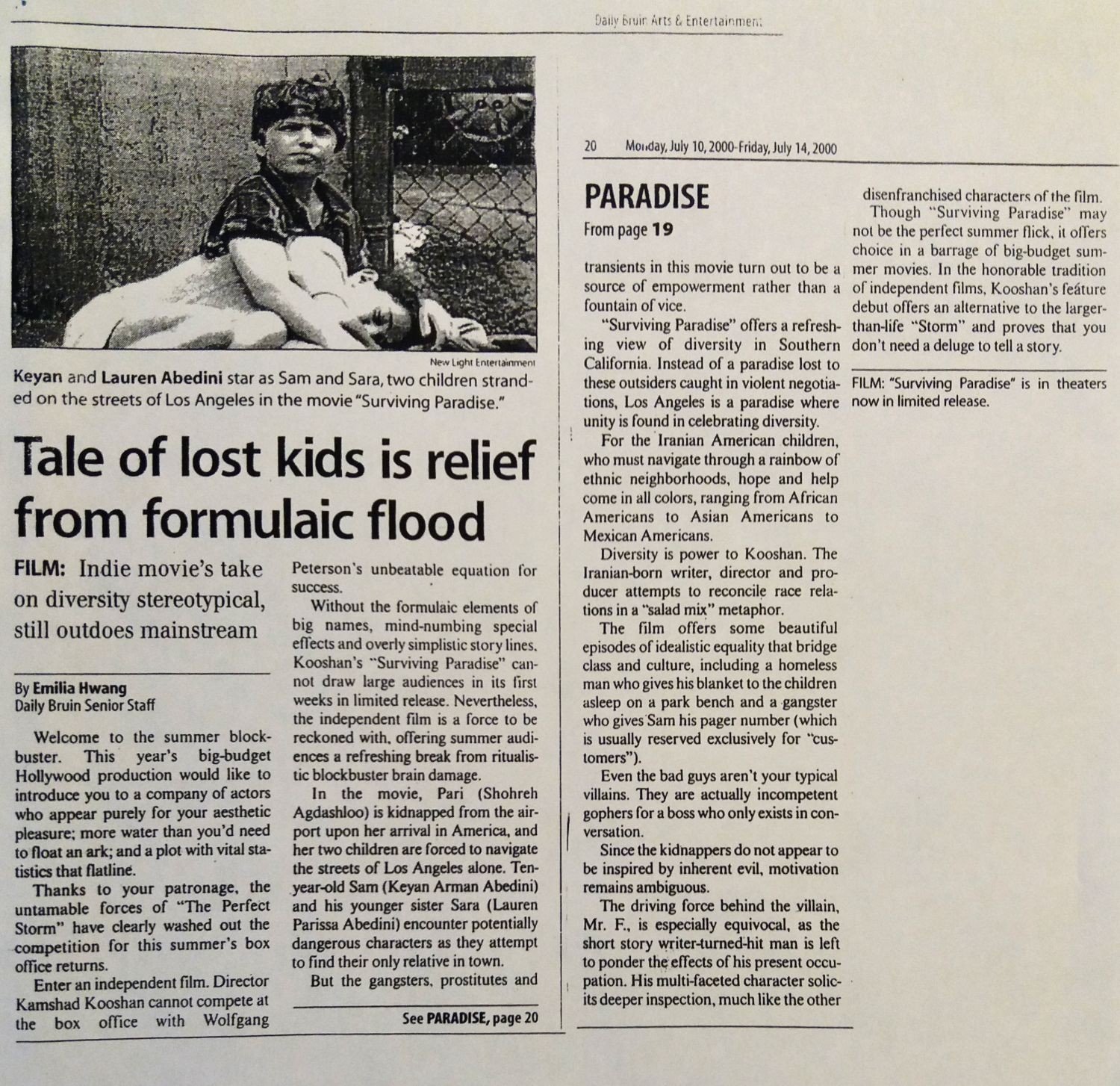
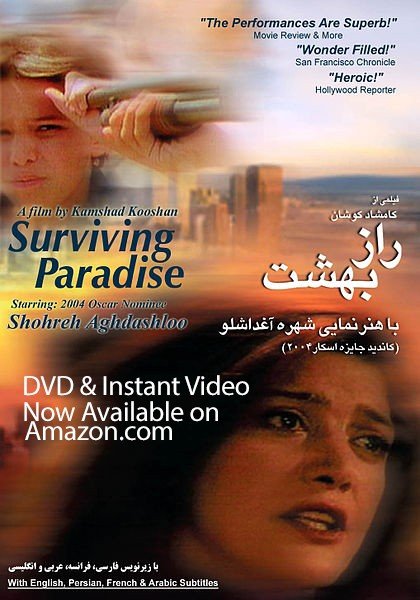
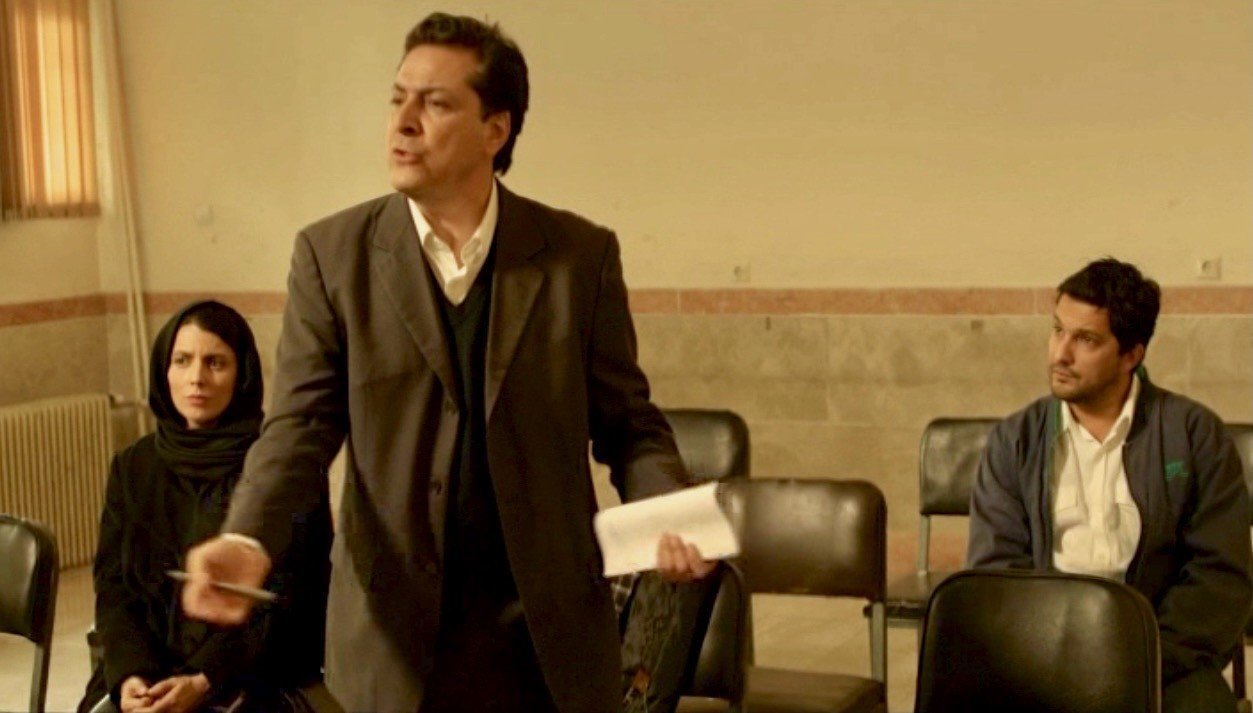
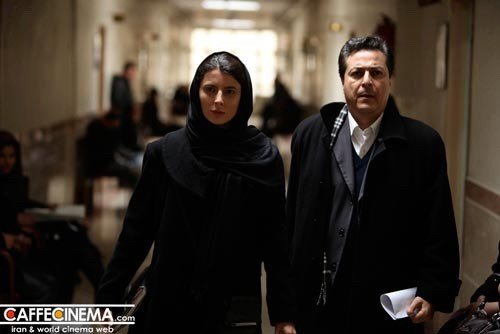
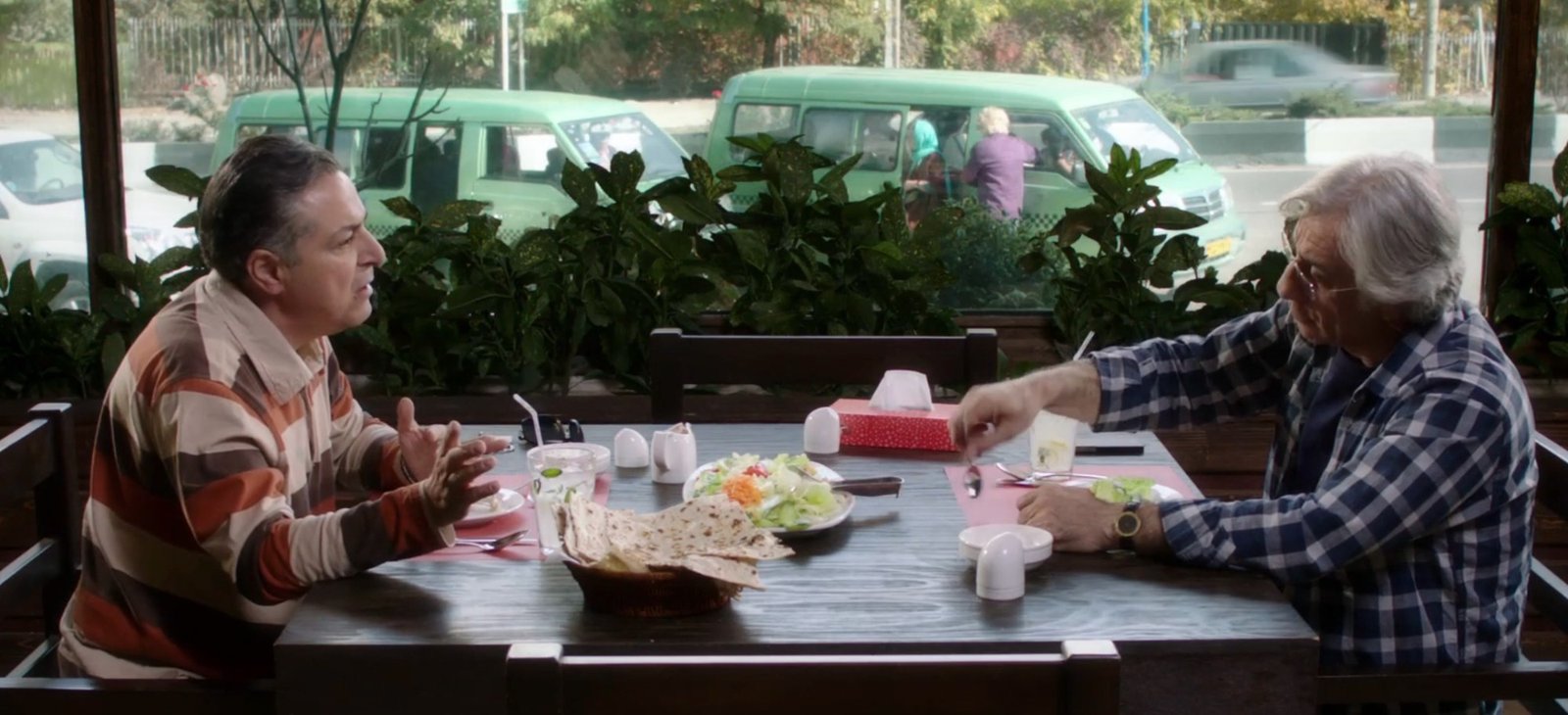
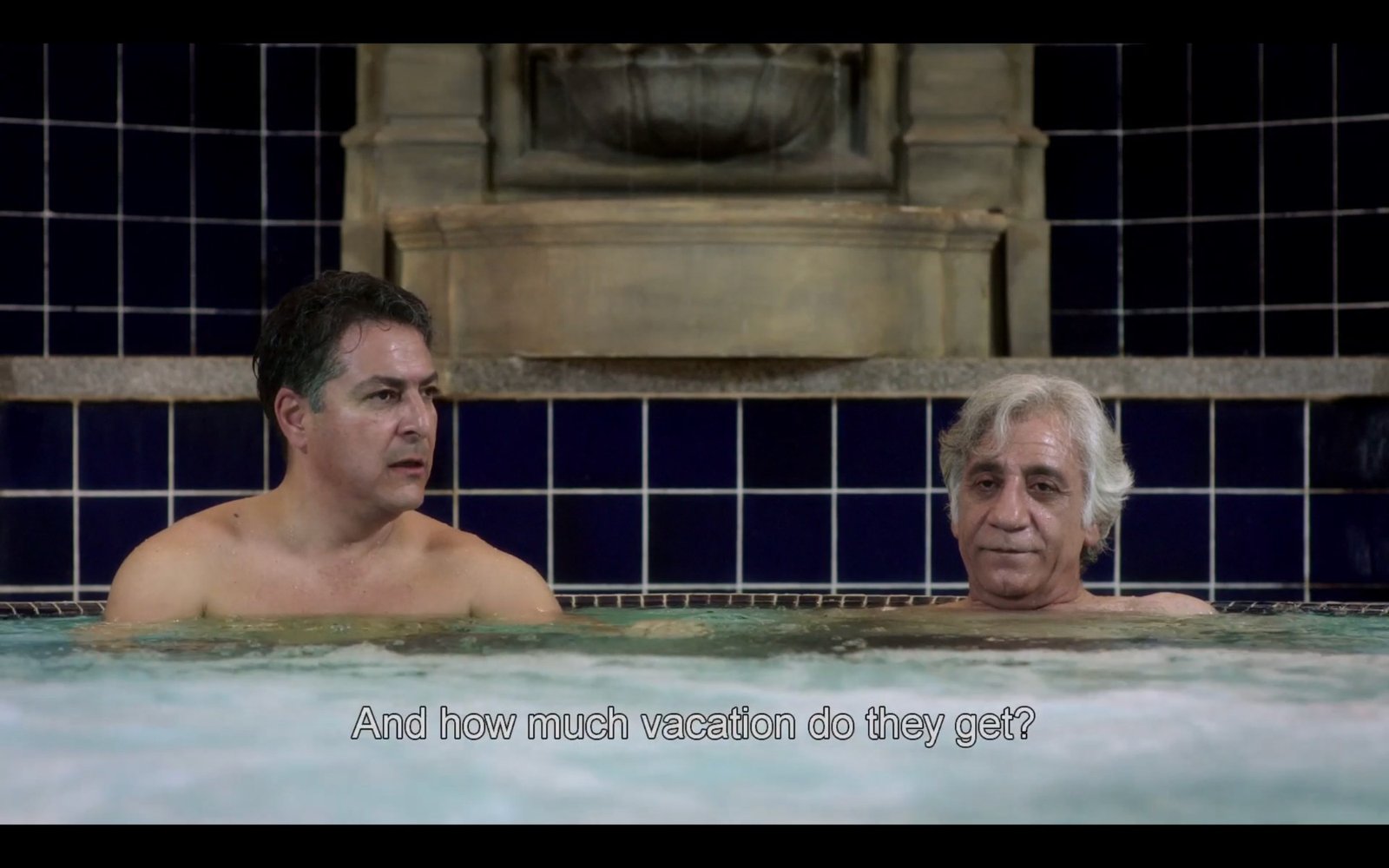
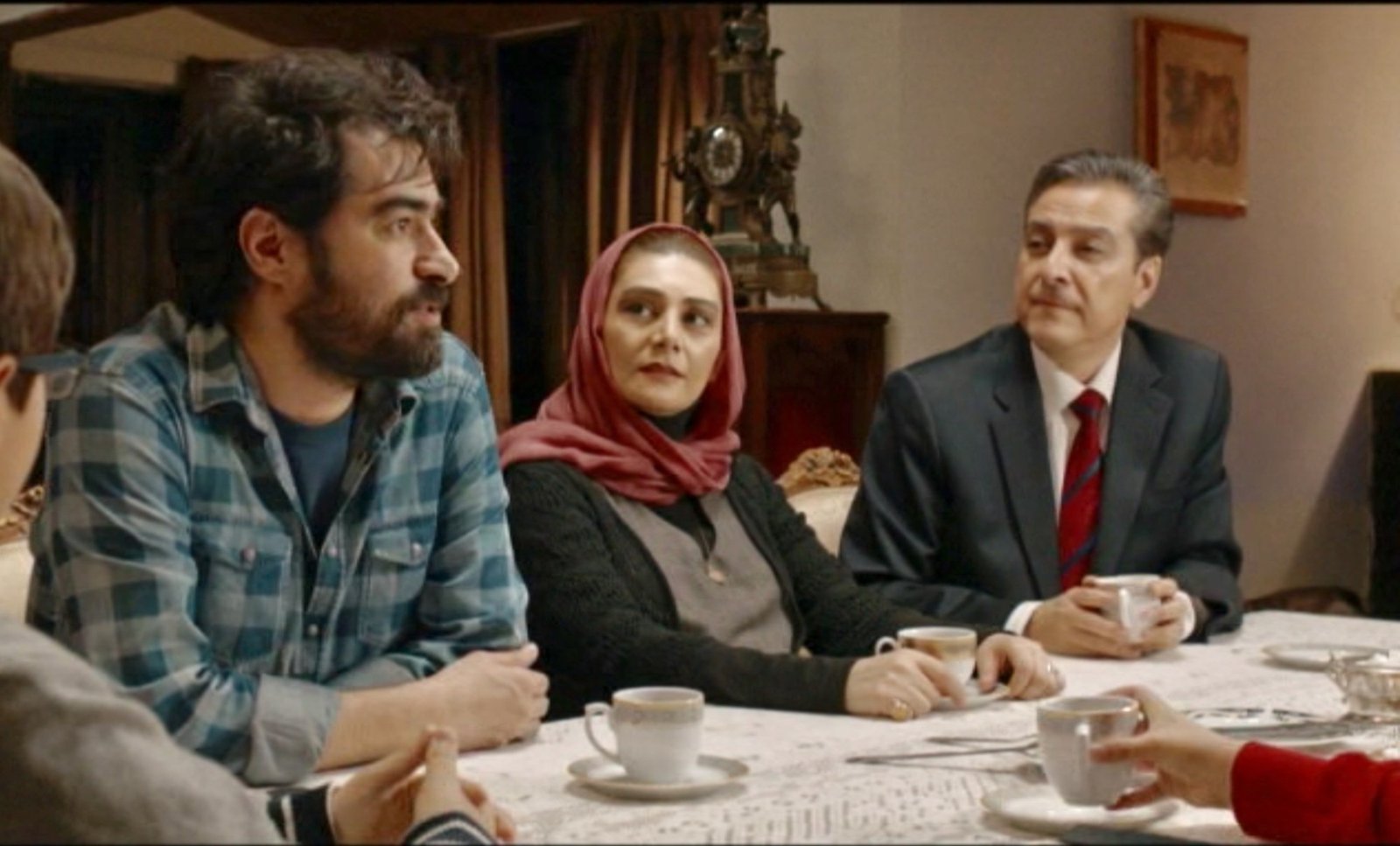
Kooshan's first feature film, starring Shohreh Aghdashloo, received a limited theatrical release in the United States — a release regarded as one of the key factors in introducing Aghdashloo to Hollywood, leading to her role opposite Ben Kingsley in House of Sand and Fog and, ultimately, to her Academy Award nomination. His second feature, This Is Not Me, reflects his longstanding interest in the relationship between emotional repression, physical illness, and the search for meaning and connection in times of personal and societal crisis.
Drawing from his experiences living and working between two cultures, Kooshan creates intimate, character-driven cinema that bridges the personal and the political through deeply human stories.
Director's Statement
This Is Not Me emerges from a deeply personal and long-standing engagement with both Iran and the United States.
As an Iranian-American filmmaker, I began my career in the United States before returning to Iran in 2001 to continue my work. Over the years, as conditions became more restrictive and several of my projects were halted due to censorship, I chose to remain.
This film is shaped by that decision — and by the tension of living between two systems, two identities, and two ways of understanding authority, control, and survival.
The story of Behzad came from a need to explore how these forces manifest within the individual. His refusal of medical treatment is not only a personal decision, but a reflection of a deeper resistance — against structures that seek to define and control both the body and the self.
I was particularly interested in the relationship between repression and illness: how unprocessed anger, silence, and constraint can accumulate over time, shaping both psychological and physical realities. In the film, the body becomes a site where personal history and political conditions intersect.
The setting of the walled garden was central to this exploration — a space of isolation and protection, but also of confrontation. Within it, Behzad is forced to face not only his mortality, but his past and his complicity.
Set against the backdrop of ongoing protests, the film does not attempt to represent events directly, but rather to reflect how they are experienced internally. It is about what happens to a person living within prolonged tension — how survival, identity, and responsibility become intertwined.
This Is Not Me is ultimately a film about choice: the choice to return, to remain, to resist, and to confront what lies beneath both personal and collective experience. And through acting, writing, and drawing on real elements of my own life — my son, the garden, and more — I have tried to revisit the moments of life's journey.
— Kamshad Kooshan, writer / director